Mbappé China Controversy Puts LaLiga TV Rights at Risk
The Mbappé China controversy has hit LaLiga, with Chinese sponsors ending deals and reports of suspended TV broadcasts raising commercial concerns.
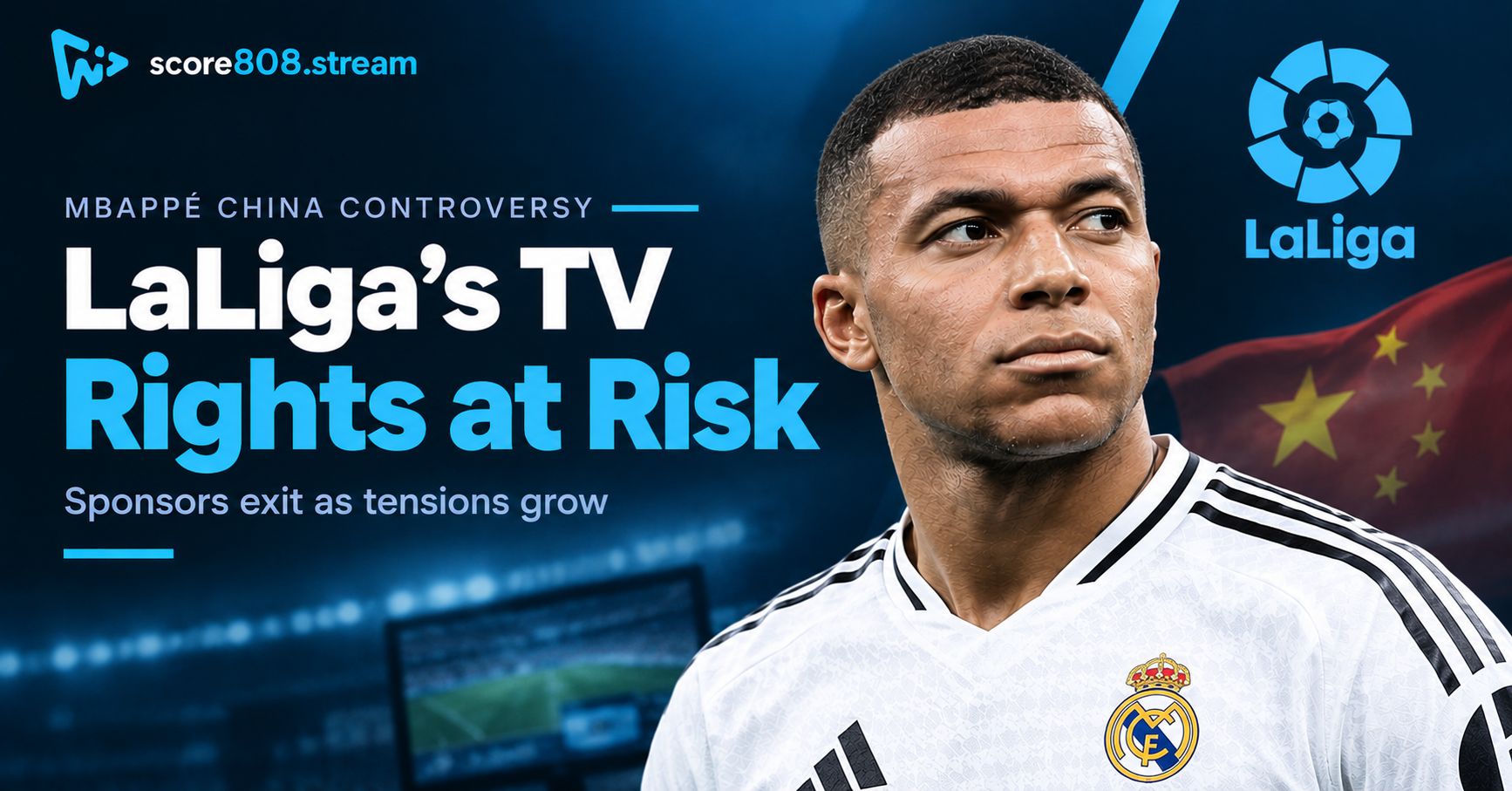
Mbappé China Controversy Puts LaLiga’s TV Rights at Risk
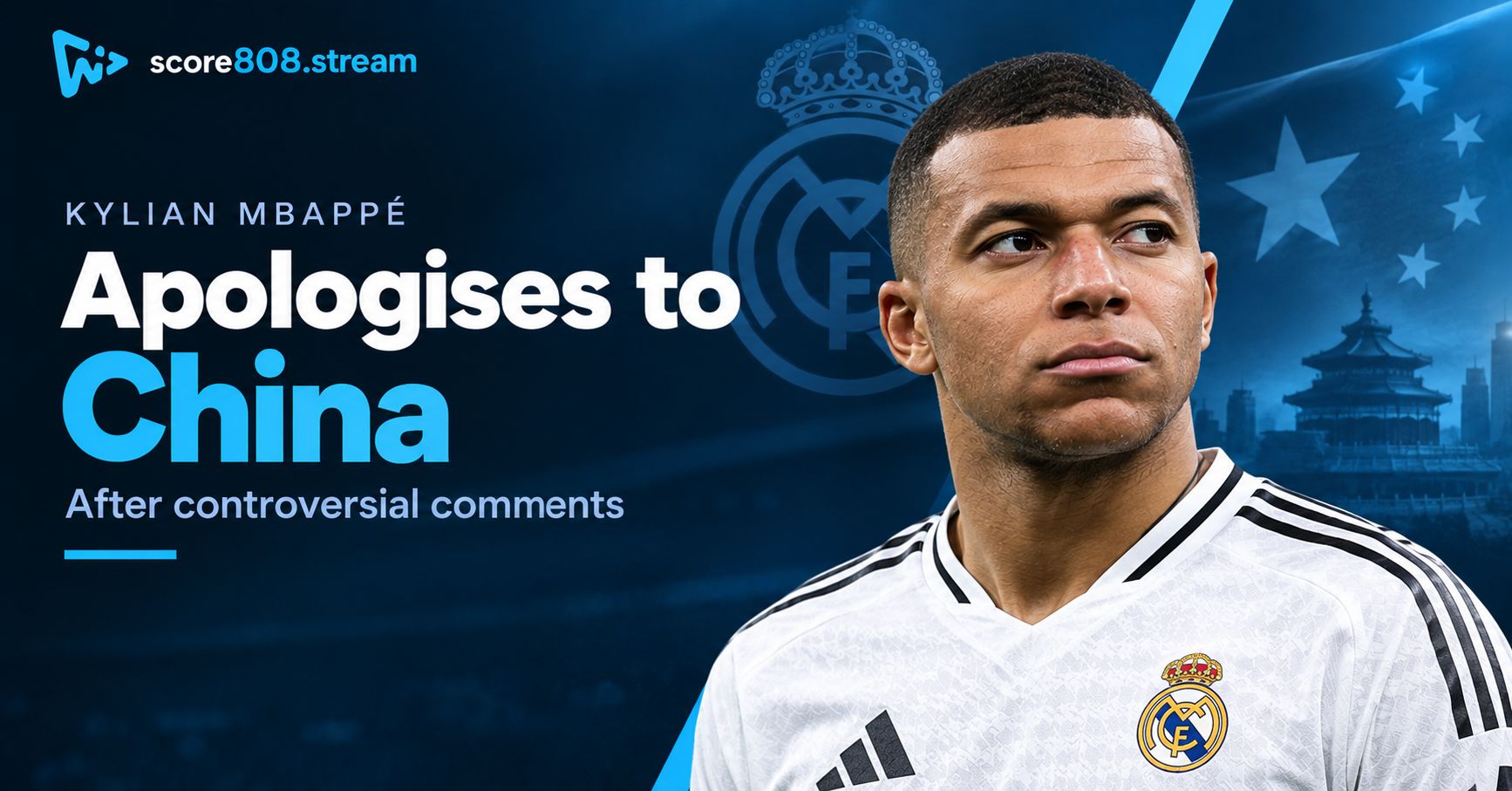
Kylian Mbappé’s controversial comments about a meme comparing him to former Chinese leader Mao Zedong have triggered a crisis that extends far beyond the Real Madrid forward himself, with LaLiga now facing potential consequences in one of its important international markets.
The fallout has already reached commercial partnerships and television coverage. Several Chinese companies have ended their sponsorship agreements with Mbappé, while reports say China’s state broadcaster CCTV has suspended broadcasts of LaLiga matches following the controversy.
For the Spanish league, the situation raises difficult questions about its relationships with broadcasters, sponsors and millions of football supporters in China.
Why China Matters to LaLiga
LaLiga has spent years expanding its international presence, and China has been an important part of that strategy.
In September 2024, LaLiga announced a broadcasting agreement with China Media Group (CMG), marking the state media organisation’s return as an official broadcast partner after a nine-year absence. The agreement provided coverage of Spanish football through CMG’s platforms.
The league has also pursued longer-term digital distribution. A separate agreement with China Mobile’s Migu platform was announced in 2026, covering all 380 LaLiga matches per season in mainland China through the 2029–30 campaign, according to reports.
These partnerships matter because international broadcasting helps football leagues reach new audiences and generate commercial value beyond their domestic markets.
A disruption to television coverage could therefore affect LaLiga’s visibility, its relationships with commercial partners and its ability to maintain momentum in China. However, the financial consequences cannot yet be accurately quantified.
How the Mbappé Controversy Escalated
The incident began after Mbappé discussed internet memes featuring himself during an interview connected to the French football show The Bridge.
He reportedly referred to a meme that placed his face over an image of a Chinese dictator. The image circulating online depicts former Chinese leader Mao Zedong.
The comments prompted criticism in China, where jokes involving Mao and other prominent historical figures can be particularly sensitive.
Several companies, including Dongpeng Beverage, Mengniu and Milkground, subsequently announced that they were ending their commercial relationships with the French international.
Reports also indicated that CCTV had suspended LaLiga broadcasts and removed advertisements and video content featuring Mbappé. The precise scope and duration of the broadcast suspension remain uncertain, and it is not yet clear whether the separate digital distribution agreement with Migu will be affected.
Importantly, the video circulating online has not been independently authenticated by every news organisation reporting on the incident.
LaLiga Responds as Commercial Concerns Grow
LaLiga president Javier Tebas has publicly apologised to the Chinese people for the offence caused by Mbappé’s comments. The league has also said it is working with its Chinese partners to address the situation and protect relationships built over many years.
Mbappé has issued his own apology, acknowledging that his comment was ill-judged and expressing respect for the Chinese people and their history.
Those statements may help efforts to ease tensions, but there is no guarantee that broadcasters or companies will reverse their decisions.
Could LaLiga Suffer Long-Term Damage?
The biggest concern for LaLiga is whether the controversy results in a temporary interruption or a longer-term deterioration in its Chinese partnerships.
If coverage resumes quickly, the commercial damage may be limited. If restrictions continue or affect additional platforms, the consequences for the league’s audience and sponsorship opportunities could be more substantial.
For now, it is too early to declare the full financial impact or conclude that LaLiga’s entire Chinese broadcasting strategy has collapsed.
What is clear is that an incident involving one of football’s most recognisable stars has become a wider commercial challenge for Spanish football.
LaLiga’s priority will now be repairing trust with its Chinese partners and ensuring that the controversy does not permanently damage years of work to grow the league’s presence in the country.