Three-Week International Break Sparks Injury Concerns
The three-week international break was designed for player welfare, but injuries to Mbappé, Raphinha, Havertz and others have raised concerns.
Three-Week International Break Raises Fresh Player Welfare Concerns
Football's new three-week international break was supposed to make life easier for players.
Instead, as the first extended international window of the 2026/27 season comes to an end, a growing injury list has left fans questioning whether the new system is actually achieving its intended purpose.
The changes were introduced with player welfare among the reasons behind them. Rather than having separate September and October international breaks, FIFA has combined them into one longer window running from September 21 to October 6. Countries play four international matches during the period, while the number of major international windows across the season has been reduced.
The idea was to reduce the number of times players have to travel between their clubs and national teams.
But the physical demands of the extended window have created a different concern: players are now spending longer with their national teams and playing more matches in one block.
And several major names have already suffered injury problems.
Major Players Hit During the International Break
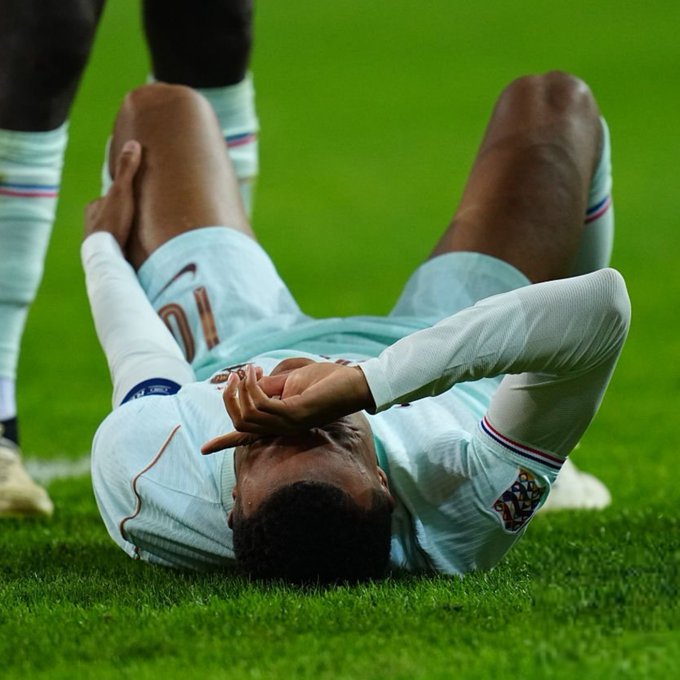
Real Madrid star Kylian Mbappé suffered a knee ligament problem while scoring against Türkiye and was expected to miss around two to three weeks.
Barcelona captain Raphinha also returned to his club after suffering a thigh issue while playing for Brazil.
Liverpool have been particularly concerned after Cody Gakpo picked up an ankle injury with the Netherlands, while Alexander Isak withdrew from Sweden duty with a thigh problem.
Arsenal have also been affected. Kai Havertz was forced off while playing for Germany and returned to London for assessment, while Ezri Konsa and Alex Scott were subsequently released from England duty and returned to their clubs for further medical assessment. Scott's case has attracted particular attention after tests revealed a muscle injury that could keep him out for around two months.
There were further concerns elsewhere.
Jamal Musiala suffered a thigh muscle injury while with Germany, while Brian Brobbey and Lutsharel Geertruida were among the Netherlands players dealing with fitness problems. The Dutch squad's injury situation became serious enough for coach Xavi Hernández to publicly criticise the new international schedule.
Erling Haaland also became an injury concern after asking to be substituted during Norway's defeat by Portugal. Manchester City will now assess the striker before their return to Premier League action.
Is the Three-Week Break Actually Helping?
That is now the central question.
The argument for the new calendar was that reducing the number of international windows would mean fewer disruptions and less travelling for players.
In theory, that makes sense.
However, merging two windows means that national teams are now asking players to complete four matches in a concentrated period. Instead of travelling away from their clubs for two matches and returning, players spend a significantly longer period away while potentially playing twice as many internationals during the window.
That has created a difficult situation for clubs.
They release their players to their national teams hoping they will return fit. Instead, some are coming back carrying injuries just as domestic football resumes.
Real Madrid manager José Mourinho warned about exactly this problem before the extended window, saying the three-week absence of his players was difficult and expressing particular concern about players who joined their national teams but did not play regularly.
Now other managers are joining the criticism.
Netherlands coach Xavi has argued that the schedule is not good for either clubs or national teams, pointing specifically to players returning from international duty injured. He also warned that putting such a demanding schedule only months after the World Cup was asking for trouble.
Clubs Now Pay the Price
For supporters, the frustration is understandable.
A three-week international break already feels unusually long because domestic football disappears for an extended period. But when the league finally returns, some of the biggest stars may be unavailable because of injuries suffered while representing their countries.
That creates an uncomfortable question about the original objective.
If the purpose was player welfare, should the focus have been on fewer international windows, or should there also have been greater protection over the number of matches players are required to play during each window?
The first experiment with the new format has certainly provided ammunition for those who believe football's calendar is already too demanding.
The international break will eventually be remembered for more than just the results.
It may also become the moment when football seriously begins asking whether reducing the number of breaks is enough — or whether the game needs to reduce the physical burden placed on its players altogether.
For now, clubs are simply hoping their stars return healthy.
Because after three weeks of international football, the biggest concern may be what happens when the players finally get back to club football.